Menu
Your Cart Items
Your Cart is empty
Begin TodaySelect Delivery Address
Select Delivery Address
BLOG
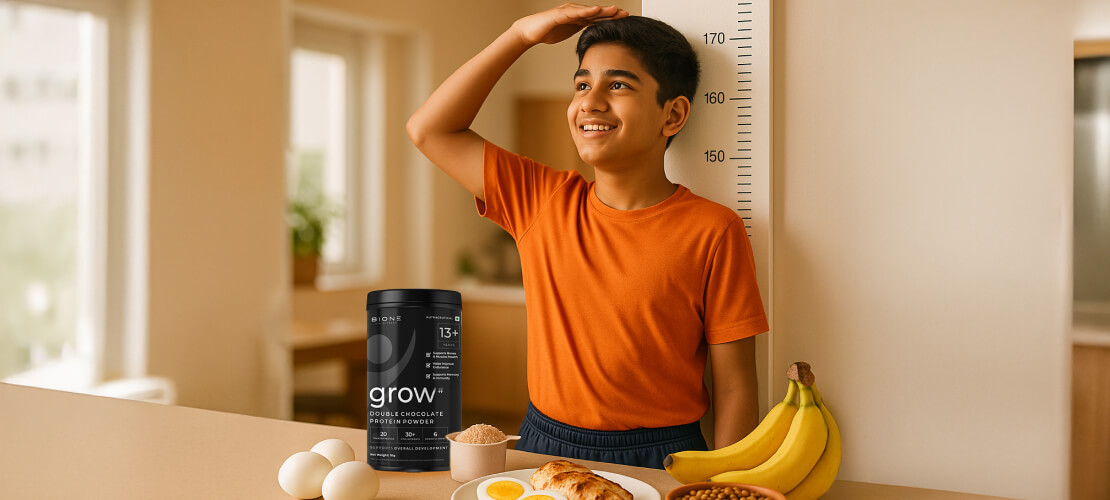
Integrating Protein Powder in Your Daily Diet to Get Taller
Niti Goyal
May 16, 2025
Key Takeaways
- Protein is essential for height growth as it helps in bone development, muscle repair, and hormone production like IGF-1 that triggers growth.
- Protein powder is a useful supplement when whole food intake is lacking, especially for busy teens or active kids needing quick nutrition.
- For best results, take protein powder at key times like morning, after workouts, or before bed to support growth and recovery.
- Combine with whole foods and habits like calcium-rich meals, daily exercise, good sleep, and daily exercise and good sleep to truly support height potential.
If you’re aiming to grow taller and support your body’s natural development, nutrition plays a key role and protein is one of the most critical nutrients in that journey. While genetics lay the foundation, what you eat can significantly influence how close you get to your height potential. Protein-rich foods have long been recommended for growth, and recently, protein powders have become a practical way to meet daily needs, especially during active growth phases.
But can protein powder really support height increase? In this article, we’ll explore the connection between protein and growth, why protein powder is gaining popularity, and how to use it wisely as part of a balanced daily diet. Plus, we’ll look at other foods and nutrients that help increase height effectively when paired with good habits.
Why Getting Enough Protein Is Crucial for Height Growth
Protein isn’t just important for gym-goers or athletes but it’s crucial for everyone, especially children and teenagers. Your body uses protein to build and repair tissues, including bones and muscles. During growth phases, especially puberty, your body demands more protein to keep up with physical changes. Without enough of it, your body might struggle to maintain bone density, muscle mass, and even energy levels. This could lead to delayed growth, fatigue, and weaker bones.
How Does Protein Support Height Increase?
Protein does more than build muscle, it also plays a major part in bone development. Here’s how it works:
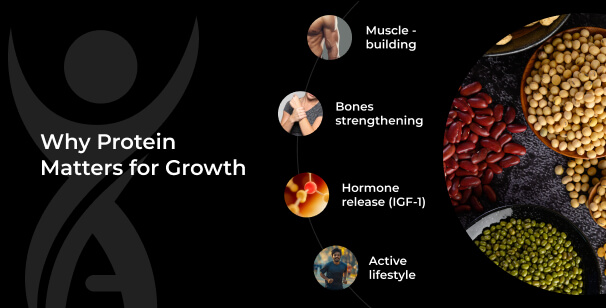
- Encourages the release of growth hormones like IGF-1 (Insulin-like Growth Factor 1), which stimulates bone elongation.
- Supports bone strength by improving calcium absorption and forming the collagen matrix in your bones.
- Supports posture by building lean muscle mass, which helps improve spine alignment and posture.
- Keeps you energised so you stay active, which is essential for stimulating growth plates.
Why Protein Powder Makes Sense for Growing Bodies
The question arises that can’t we just eat more protein-rich foods? In an ideal world, yes. Getting all your protein from food is the best approach. But we don’t always eat right, especially with busy school days, sports, and other commitments. That’s where protein powder to increase height becomes practical.
It’s an easy way to top up your intake without preparing elaborate meals. Just a scoop added to milk, porridge, or a smoothie can deliver a meaningful boost especially on rushed mornings or after school activities.
- Quick absorption: Most protein powders are digested easily, giving your body faster access to amino acids when it needs them most.
- Convenience: No chopping, cooking, or meal prep needed, just mix and go.
- Balanced nutrition: Many protein powders come fortified with calcium, vitamin D, and other height-friendly nutrients.
- Supports recovery after activity: Whether it’s sports, dancing, or just playtime, protein helps in muscle recovery and encourages stronger bones.
Best Times to Consume Protein Powder
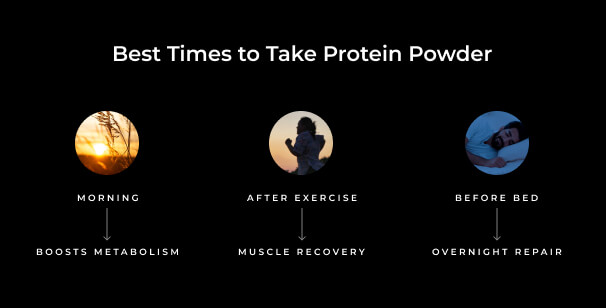
- Morning: Adding protein to breakfast helps kick start metabolism and supports growth hormone function.
- After exercise: Great for recovery and helps muscles rebuild.
- Before bed: A light shake before sleeping supports muscle repair and bone development overnight.
Simple Ways to Add Protein Powder to Meals:
- Mix into milk or smoothies with banana and oats.
- Stir into porridge with cinnamon or nut butter.
- Blend with fruit and a spoon of peanut butter for a post-sports drink.
- Add to pancake or roti dough for a sneaky, nutritious twist.
Choose a clean, high-quality protein powder without added sugars or artificial flavors. Check our guide to choose the best protein powder for height gain.
Don’t Skip Real Food: Whole Nutrition Still Wins
Protein powder is helpful, but it shouldn’t replace real, nutrient-dense food. Whole foods bring additional benefits like fibre, healthy fats, vitamins, and minerals that protein powder alone can’t offer.
Here are some of the best natural protein foods to support height growth:
| Food | Benefits |
|---|---|
| Eggs | High-quality protein, vitamin D, and essential amino acids |
| Dals & Lentils | Protein, fibre, and minerals |
| Milk & Yogurt | Protein, calcium, and probiotics |
| Paneer (low-fat) | Excellent vegetarian protein source |
| Chicken & Fish | Lean meats rich in B vitamins and zinc |
| Tofu & Soy | Plant-based protein, ideal for vegans or lactose intolerance |
These height protein foods work best when paired with exercise for height growth, regular sleep, and proper hydration.
Growing taller isn’t just about protein. Your body needs a full range of nutrients for strong bones and healthy growth.
Other Nutrients That Support Height Growth
Growing taller isn’t just about protein. Your body needs a full range of nutrients for strong bones and healthy growth. Here are some of the key players:
- Calcium: Builds strong bones and teeth.
- Vitamin D: Helps your body absorb calcium and supports bone health.
- Zinc and magnesium: Support growth hormone activity and immune function.
- Iron and B12: Improve energy and red blood cell formation.
Make sure your daily meals include fruits, vegetables, whole grains, and healthy fats alongside your protein-rich diet for height enhancement.
Conclusion
Growing taller isn’t about shortcuts or miracle fixes but it’s about consistently supporting your body with the right nutrition, habits, and care. Protein plays a fundamental role in helping you build strong bones, repair tissues, and activate growth hormones, especially during your most critical growth years.
While whole foods should always come first, protein supplements to get taller can be a simple and practical way to boost your daily intake. They’re especially useful for active kids, teenagers, or anyone who struggles to get enough protein through regular meals.
Remember, the goal isn’t just to grow taller, it’s to grow stronger, healthier, and more confident in your body’s potential. Make smart choices, stay consistent, and let your nutrition work with you not against you.
FAQs
Protein powder won’t make you taller overnight, but it supports the body’s natural growth process. If you’re in your growth years and not getting enough protein, it can help you reach your full potential.
Yes, but it depends on the child’s age and overall diet. From around 12 years and up, a well-chosen Grow protein powder can be helpful.
Whey protein is the most effective and digestible. However, plant-based options like soy, rice, or pea protein are good alternatives for lactose intolerance or vegan diets.
Roughly 0.8–1 gram of protein per kilo of body weight per day is a good target. So if someone weighs 45 kilos, they’d need around 36–45 grams daily, which can be a mix of meals and a small scoop of powder.